
My husband is a regular gym-goer, and he enjoys finding ways to keep his workouts challenging without changing everything at once. Repeating the same routine can become less demanding over time, so a careful adjustment may help maintain progress and motivation.
These three ideas are aimed at generally healthy adults who already exercise regularly and want to vary their routine safely.
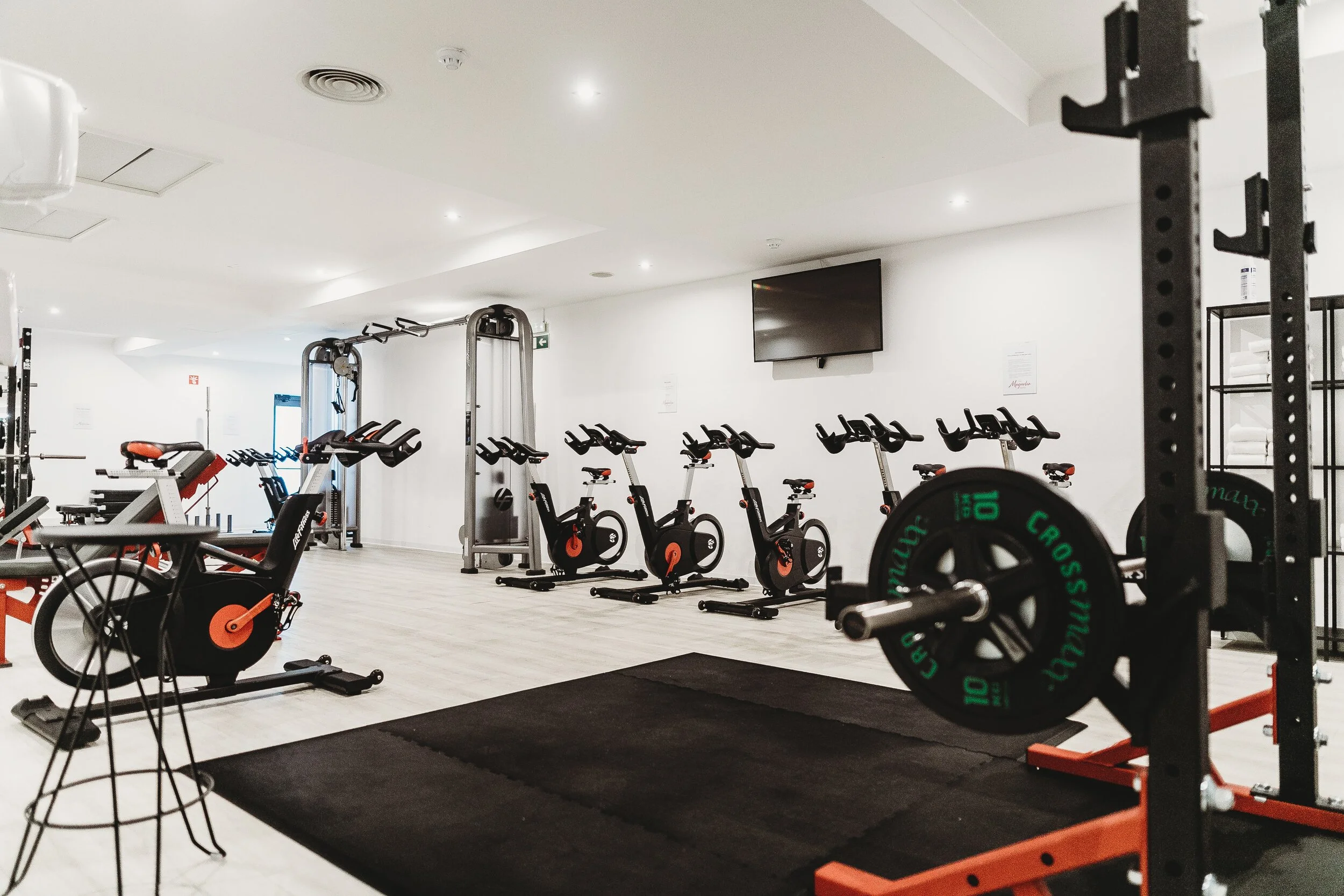
Photo by Humphrey Muleba on Unsplash
How to Make a Workout More Challenging
Increasing intensity can mean changing the resistance, pace, repetitions or recovery time. It does not require altering every part of a workout at once.
My husband prefers to make one measured change, pay attention to his form and see how his body responds before progressing again.
1. Add Power to Cardio Carefully
Short bursts of faster movement can make a familiar cardio session feel more challenging. Depending on fitness and experience, that could mean a brisker walking section, a higher resistance on an exercise bike or a short incline.
More experienced gym-goers may use plyometric exercises. This guide to one-legged jumps and this demonstration of power lunges explain two examples. These are high-impact movements, so good technique, suitable footwear and an appropriate training surface matter.
Beginners can increase the challenge without jumping. A small change in speed or resistance is often enough.
2. Progress Strength Training Gradually
Strength training can be progressed by changing the weight, repetitions, sets or tempo. Adding weight is only one option.
My husband focuses on controlled movement and good form rather than lifting more for the sake of it. The weight should remain manageable throughout the exercise, and using a spotter can be sensible for certain lifts.
This article offering chest workout advice gives more detail for readers interested in chest training. As with any general fitness resource, adapt it to your experience and goals.
3. Use Intervals and Recovery
Intervals alternate a more demanding period with an easier recovery period. They can be adapted for walking, running, cycling, rowing and many other activities.
A simple session might alternate a comfortable pace with brief, slightly faster efforts. Experienced exercisers may choose harder intervals, but every session should still include recovery.
Changing only one variable makes progress easier to judge. Shortening every rest period while also increasing speed and resistance can make it difficult to know which change was too much.
Signs It Is Time to Ease Back
Your form begins to break down.
You feel sharp or unusual pain.
You become dizzy, faint or unwell.
You cannot recover between sets.
Your performance continues to decline.
Stopping or reducing the intensity is a sensible training decision when something does not feel right.
Make Progress Without Rushing
My husband enjoys the gym, but effective training still includes rest, recovery and patience. Small, consistent changes are easier to manage than trying to transform a routine in one session.
You may also enjoy my article on how to get more from your workouts.
If you are new to exercise, returning after a break, pregnant, injured or living with a health condition, speak to an appropriately qualified professional before increasing workout intensity.