
My skin has changed as I have grown older, and chronic illness can make a complicated routine feel like another job. I now prefer gentle, manageable skin care that helps my skin feel comfortable rather than promising to make me look younger.
These are nine simple habits I can adapt around my energy, symptoms and what my skin needs.
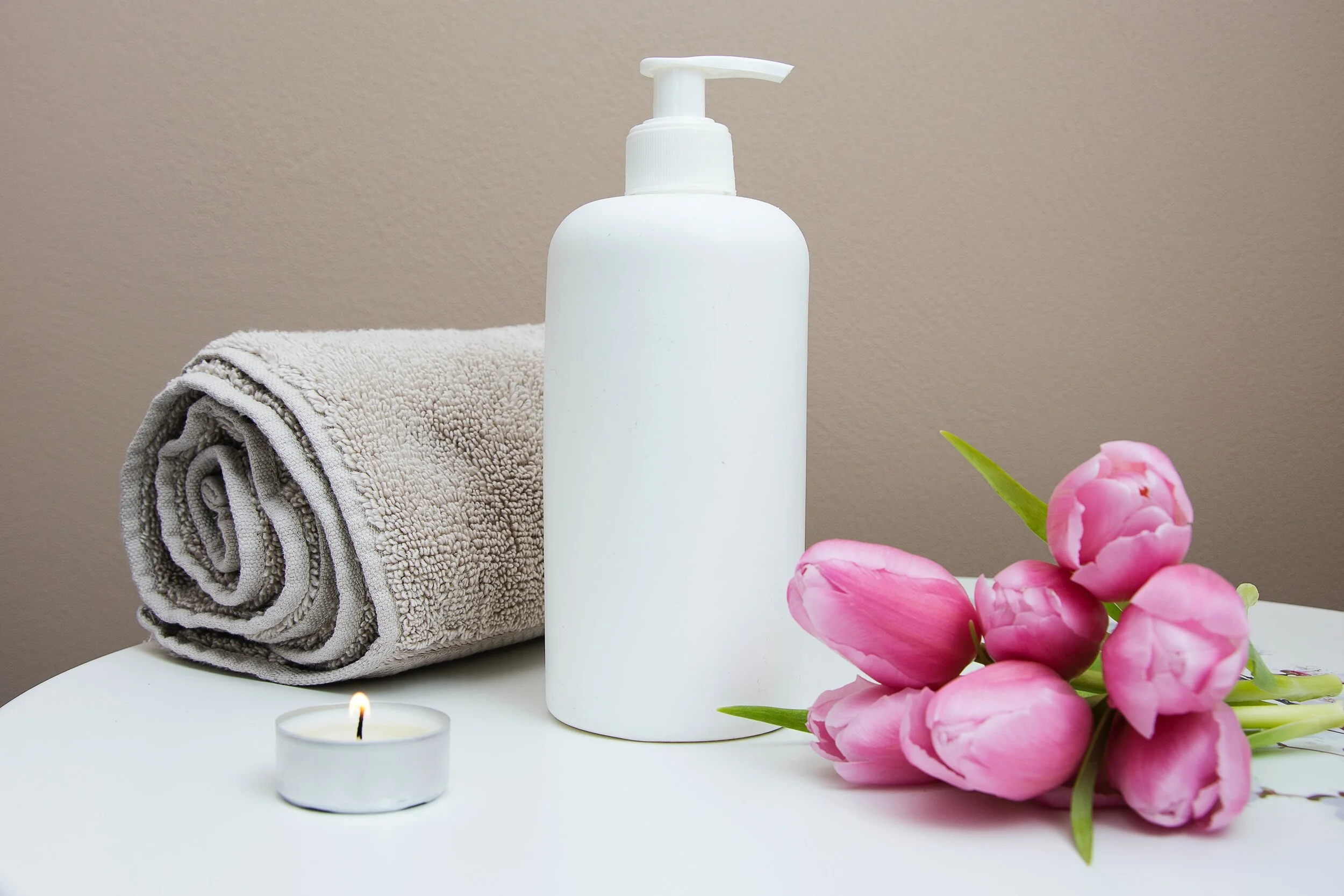
Photo by Camille Brodard on Unsplash
How Skin Changes With Age
Skin naturally changes over time. It may feel drier, thinner or more sensitive, and products that once suited us may no longer feel comfortable. Illness, medication, hormones and the weather can also affect how skin behaves.
I try to pay attention to those changes and keep my routine simple. If something stings, irritates or makes my skin feel worse, I stop using it rather than trying to push through.
1. Cleanse Gently
A gentle cleanser can remove makeup, sunscreen and everyday dirt without leaving skin feeling tight. I avoid very hot water and harsh scrubbing, especially when my skin is dry or sensitive.
On low-energy days, a shorter routine is perfectly acceptable. Skin care should support me, not become another source of pressure.
2. Choose a Moisturiser That Feels Comfortable
A moisturiser can help dry skin feel softer and more comfortable. Richer creams may suit some people, while others prefer a lighter lotion. The useful choice is the one that agrees with your own skin and that you can use consistently.
I introduce new products one at a time, which makes it easier to notice if my skin reacts.
3. Protect Skin From the Sun
Sun protection matters throughout adulthood. Shade, clothing and sunscreen can all help reduce exposure to ultraviolet light. The NHS sunscreen and sun safety guidance explains how to choose and apply sunscreen.
I am especially careful when taking medication that may make skin more sensitive to sunlight, and I check the patient leaflet or ask a pharmacist when I am unsure.
4. Keep Hydration Simple
I keep a drink nearby because fatigue and brain fog can make it easy to forget. Drinking regularly supports general health, although water is not a miracle treatment for wrinkles or other skin changes.
Small reminders and an easy-to-reach bottle work better for me than setting strict targets.
5. Remove Makeup Before Bed
When I wear makeup, removing it before bed helps my skin feel clean and comfortable. I choose gentle products and avoid rubbing around the eyes.
On difficult days, I keep the process as short as possible. A simple cleanse and moisturiser can be enough.
6. Support Rest and Sleep
Pain and chronic illness can make good sleep difficult, so I do not expect every night to be perfect. A calm evening routine and a comfortable bedroom sometimes help me settle.
I have shared more ideas in How to Sleep Better: 5 Practical Tips for Better Rest.
7. Eat in a Way That Is Manageable
My husband, who is also my carer, does the cooking, and my adult children sometimes help. We focus on meals that are realistic for our household and my changing energy.
Fruit can be an easy addition when it suits you. My post about five tasty fruits and their nutritional benefits has a few simple ideas. No single food will transform the skin, but varied meals can support health more generally.
8. Be Careful With Facials and New Treatments
A facial can be enjoyable, but it is not guaranteed to clear blemishes or erase lines. I would tell the therapist about sensitive skin, allergies, medication and any health conditions before a treatment.
Patch testing a new product first can also help identify irritation before it is used more widely.
9. Notice Changes That Need Medical Advice
A beauty routine cannot diagnose or treat every skin problem. I would speak to a GP, pharmacist or qualified dermatologist about a changing mole, a wound that does not heal, a persistent rash, unexplained bleeding or any change that worries me.
Getting professional advice is part of caring for skin, especially when a symptom is new or getting worse.
A Gentle Routine Can Be Enough
Mature skin does not need to look younger to be worthy of care. For me, the aim is comfort, protection and a routine that fits around real life with chronic illness.
Cleanse gently, moisturise when needed, protect skin from the sun and ask for medical advice when something changes. A few manageable habits can be more useful than an expensive or exhausting routine.