

Photo by Bruno Nascimento on Unsplash
Whether you train at the gym, exercise at home or prefer getting active outdoors, the time you put into a workout should feel worthwhile. Better results usually come from a few steady habits rather than trying to make every session longer or harder.
My husband is a regular gym-goer, and one thing he has learned is that consistency, good technique and recovery matter just as much as effort. These practical workout tips can help you train with more purpose and enjoy the process too.
1. Warm Up for the Workout Ahead
A useful warm-up prepares your body for the movements you are about to do. Start gently and build up with controlled, dynamic movements such as arm circles, bodyweight squats or an easy walk.
Your warm-up can be short, but it should help you feel ready. Save longer, relaxed stretches for after the session if they feel comfortable for you.
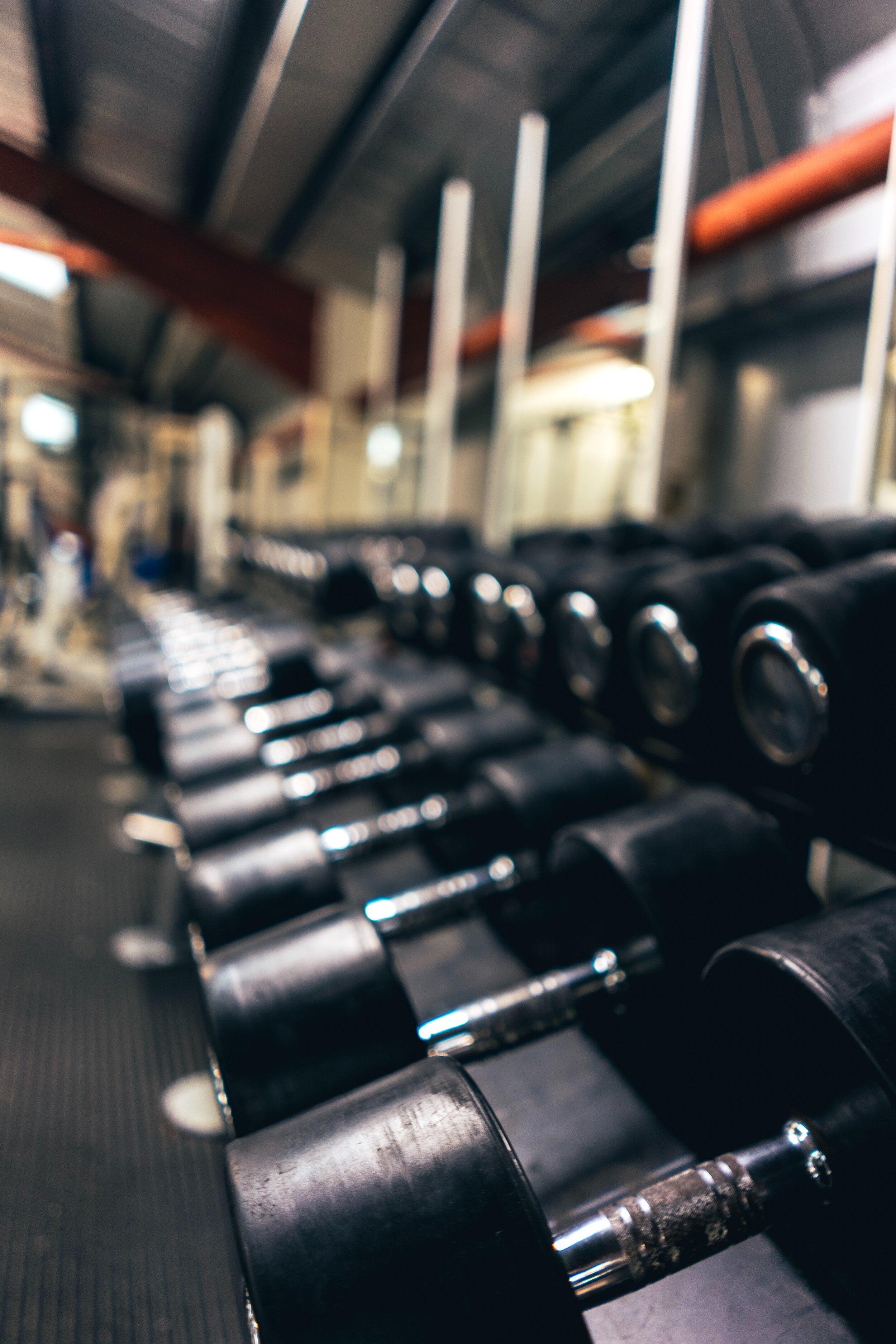
Photo by Samuel Girven on Unsplash
2. Fuel and Hydrate in a Practical Way
Eating before exercise can help you feel more prepared, although the timing and type of food will depend on the person and the workout. A balanced meal a few hours beforehand, or a light snack closer to the session, may be enough.
Keep water nearby and remember to drink throughout the day. If you are unsure what suits your needs, a qualified dietitian or trainer can offer personal advice. This guide to finding the right personal trainer may also help.
3. Include Strength Training
Strength training can support muscle, bone health and everyday movement. You can use free weights, resistance machines, bands or your own body weight.
Start with a weight you can control and focus on good form. Adding weight too quickly can make technique harder to maintain, so build gradually and ask a professional for guidance when needed.
4. Progress One Thing at a Time
Progress does not have to mean pushing every part of a workout at once. You might add a little weight, complete one more repetition, improve your technique or shorten a rest period.
Making one measured change gives your body time to adapt. For more ideas, read 3 Ways to Increase Workout Intensity Safely.
5. Choose Food That Supports Your Routine
Protein contributes to the maintenance and growth of muscle, but it works best as part of a varied diet. Foods such as eggs, fish, dairy products, beans, lentils, nuts and lean meats can all contribute.
Some gym-goers also use sports nutrition supplements. Check the ingredients carefully and remember that a supplement cannot replace balanced meals. Speak to a qualified health professional if you have a medical condition, take medication or are unsure whether a product is suitable.
6. Use Music and Enjoyment to Stay Motivated
A workout is easier to return to when you enjoy it. A favourite playlist, a class you look forward to or training with a friend can make exercise feel less like a chore.
If your playlist needs refreshing, these workout music ideas may give you some inspiration.
7. Make Recovery Part of Your Training
Rest gives your body time to recover and adapt. Try to leave enough time between demanding sessions, include easier days and pay attention to persistent pain or unusual tiredness.
Sleep matters too. My post on how to sleep better shares five practical ways to support better rest.
Pay Attention to Changes in Your Health
If tiredness, low mood or a drop in performance continues, speak to your GP rather than trying to train through it or diagnose the cause yourself. Symptoms can have many explanations and deserve proper medical advice.
Men who have been advised to explore hormone testing can learn what specialist services offer through a testosterone health clinic, but any tests or treatment should be discussed with an appropriately qualified medical professional.
Build a Routine You Can Maintain
The best workout plan is one you can follow consistently. Set realistic goals, keep a simple note of your progress and adjust your routine as your fitness improves.
You do not need a perfect session every time. A sensible plan, good technique, nourishing food and proper recovery can help you get more from your workouts over the long term.