

Dog Dental Care Tips For Dog's that Hate Their Teeth Being Brushed
Keeping a dog’s teeth and gums healthy is an important part of their everyday care. When I originally wrote this post in 2017, our beagles Kiwi and Poppy were not equally enthusiastic about having their teeth brushed. Poppy especially disliked it, which made a simple routine feel much more difficult.
Tooth brushing is still the most effective home method for controlling plaque, but some dogs need a slower introduction and extra support. These are the practical steps we used, together with updated guidance on what to do when your dog hates having their teeth brushed.
Why Dog Dental Care Matters
Plaque can build up on a dog’s teeth and harden into tartar. Over time, this may contribute to sore gums, infection, pain and difficulty eating. Dental problems are not always obvious, so regular checks at home and during veterinary appointments are valuable.
The RSPCA’s dog dental care guidance recommends regular tooth brushing and explains that dental treats may also help. They support a routine, but they do not replace brushing or professional veterinary care.
How To Introduce Tooth Brushing Gently
If your dog pulls away from a toothbrush, begin with very small steps. Let them become comfortable with you touching the outside of their mouth before trying to clean any teeth.
Choose a quiet time when your dog is relaxed.
Gently touch around their muzzle and reward calm behaviour.
Introduce a small amount of dog-safe toothpaste for them to taste.
Use a soft finger brush or dog toothbrush for only a few seconds at first.
Build up slowly and stop before your dog becomes distressed.
Never use human toothpaste because some ingredients are unsafe for dogs. If your dog becomes anxious, growls or may bite, stop and ask your vet for advice. The PDSA’s advice on dental disease in dogs also recommends a gradual, reward-based introduction and says not to force a dog that is unhappy about its mouth being touched.
What Can Help If Your Dog Refuses Brushing?
Some dogs never become fully comfortable with brushing. Other dental-care options can still support their routine, although it is sensible to discuss products with your vet, particularly if your dog already has bad breath, sore gums or visible tartar.
Dental Chews
Kiwi and Poppy loved Pedigree Dentastix. The shape and texture encouraged them to chew rather than swallow the treat immediately, and giving them one became an easy part of our routine. Poppy would bark and howl if I was too slow, while Kiwi jumped and danced with excitement.
Choose a dental chew that is suitable for your dog’s size, supervise them while they eat it and include the calories in their daily food allowance. A chew can help mechanically clean the teeth, but it cannot treat existing dental disease.
Dog-Safe Fruit And Vegetables
Kiwi enjoyed crunchy snacks such as raw carrot and apple with the core and seeds removed. These gave her something different to chew, although ordinary snacks should not be presented as a substitute for dental care.
Check every food before offering it because some fruits and vegetables are toxic to dogs. Portion size matters too, especially when treats form part of the daily diet.
Diet And Chewing Choices
At the time of this original post, Kiwi and Poppy ate a raw diet and I believed raw bones were helping to clean their teeth. Veterinary guidance is more cautious. Bones can fracture teeth, become a choking hazard or cause digestive problems, so I would now discuss diet and suitable chewing products with a vet rather than relying on bones for dental cleaning.
Signs Your Dog May Need A Vet
Contact your vet if you notice persistent bad breath, red or bleeding gums, loose or discoloured teeth, swelling around the mouth, difficulty eating, dropping food, excessive drooling or pawing at the face. A dog can continue eating despite dental pain, so changes should not be ignored.
Once tartar has formed, it cannot simply be brushed away at home. Your vet can examine your dog’s mouth and explain whether professional cleaning or further treatment is needed.
Our Dog Dental Care Routine
For Kiwi and Poppy, a realistic routine combined gentle attempts at brushing, regular mouth checks and dental chews they were happy to accept. The most useful lesson was that dental care needs to suit the individual dog. Staying calm and consistent worked better than turning it into a daily struggle.
If you enjoy reading about Kiwi’s adventures, you may also like my PAJ Pet Finder GPS tracker review and these tips for keeping dogs cool in hot weather.
Final Thoughts
Daily brushing remains the best home care for most dogs, but progress may take time. A gradual approach, suitable dental products and regular veterinary checks can all play a part when a dog dislikes having their teeth brushed.
Dental chews helped us create a routine that Kiwi and Poppy enjoyed. They worked best as one part of their care rather than a replacement for tooth brushing or veterinary advice.
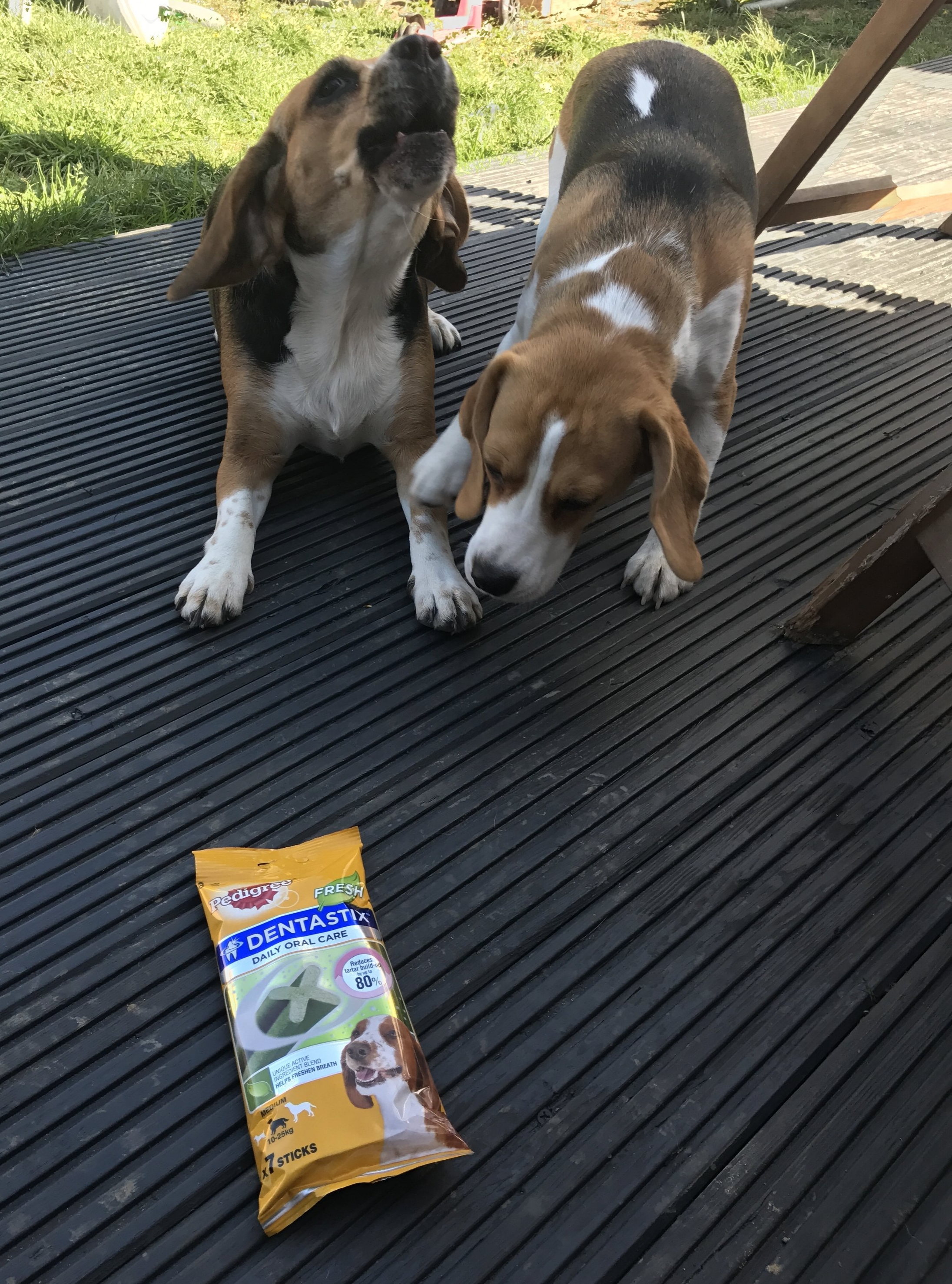
Poppy is telling me to hurry up and to give her, her Dentastix. Poppy always barks and howls at me, Kiwi jumps and dances around excitedly.


This post is a collaboration with Pedigree, but all thoughts are my own.