
When you live with chronic illness, feeling healthier does not have to mean following a strict routine or pushing through symptoms. For me, it is about finding gentle, manageable choices that support my body without using all the energy I have available.
Some days I can do more, while on other days rest has to come first. These are the simple things I return to when I want to care for myself in a realistic and flexible way.
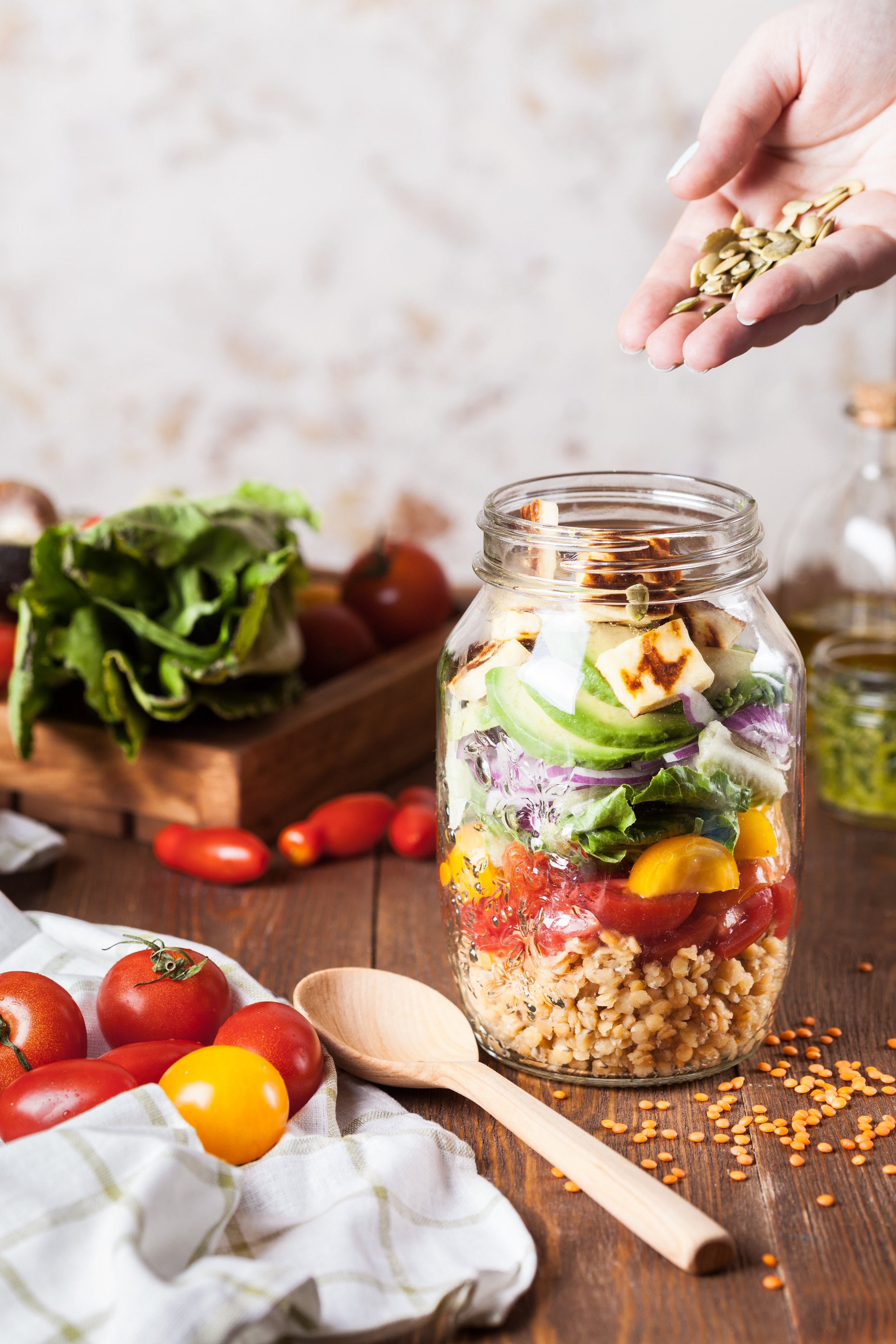
Photo by Mariana Medvedeva on Unsplash
What Feeling Healthier Means With Chronic Illness
Health can look different when you live with a long-term condition. I no longer measure it by how much exercise I can do or how productive I have been. I think about whether I have eaten, had enough to drink, rested when I needed to and treated myself with kindness.
Small choices still matter, even when they look different from one day to the next.
1. Start With What Your Body Needs Today
Before making plans, I try to notice how I am feeling. My pain, fatigue and energy levels can change quickly, so a routine that worked yesterday may be too much today.
On a better day, I might manage a little gentle movement or spend time in the garden. On a difficult day, my priority may simply be medication, food, hydration and rest. Adapting is not giving up. It is a practical way to care for the body I have today.
2. Make Food and Drinks Manageable
I am not able to cook, so my husband, who is also my carer, prepares our meals. Sometimes my adult children help too. Their support makes an enormous difference, especially when my symptoms are difficult.
We keep meals realistic. Convenient food, simple snacks and easy options all have a place when energy is limited. The NHS Eatwell Guide explains that balance can be considered across a day or even a week, rather than achieved in every meal.
I also keep a drink nearby because brain fog and fatigue can make it easy to forget. Eating and drinking in the way that is manageable for me is an important part of self-care.
3. Let Gentle Movement Count
Movement does not need to be long, intense or painful to count. Depending on my symptoms, it might be a gentle stretch, changing position, moving around the house or taking a few careful steps.
I shared more adaptable ideas in Five Gentle Ways to Be More Active at Your Own Pace. The most important thing is to work within your own limits and follow advice from a healthcare professional who understands your condition.
4. Pace Before Symptoms Build
It can be tempting to do everything on a better day, especially when jobs have been waiting. I have learned that using all my energy at once can come at a cost later.
Pacing helps me break activities into smaller parts and include rest before I become completely exhausted. It is also useful to recognise the early signs of post-exertional malaise, so I can respond before symptoms become more severe.
5. Make Rest Part of the Routine
Rest is not something I have to earn. It is part of managing my health.
A loose routine can help me remember the basics without making the day feel rigid. My gentle daily routine for healthy living with chronic illness includes space for medication, meals, rest and the small things that support my wellbeing.
6. Support Sleep Without Chasing Perfection
Sleep can be difficult when pain, medication or an unsettled mind gets in the way. I try to make evenings calmer where I can, but I do not blame myself when sleep does not go to plan.
Simple habits can sometimes make nights more comfortable. I have shared a few of the things I use in How to Sleep Better: 5 Simple Ways to Help You.
7. Care for Your Emotional Wellbeing
Looking after my health also means noticing how I am coping emotionally. Blogging gives me a creative outlet and helps me feel connected. I also enjoy familiar films, audiobooks, candles, photography and watching the seasons change from the window or garden.
There is no single correct way to feel healthier. In gentle ways to care for your body and mind, I share more ideas that can be adapted around changing symptoms and energy.
Small, Flexible Steps Still Matter
Living with chronic illness has taught me that health is not built through punishment or perfection. It is supported through small, flexible choices that respect what my body can manage.
Some days those choices may include movement or time outdoors. On other days, eating something simple, asking for help and resting are enough. Both kinds of day count.
If you develop new symptoms, or your usual symptoms become worse, speak to a qualified healthcare professional for advice that is appropriate for you.