
Back, neck and shoulder aches can make everyday life feel much harder, especially when you are already living with chronic illness, fatigue or fibromyalgia. I know how quickly discomfort can affect sleep, concentration and the amount I can manage in a day.
There is no single answer that suits everyone, and pain can have many causes. These seven gentle ideas may help with everyday muscular aches, but they are not a substitute for individual medical advice.
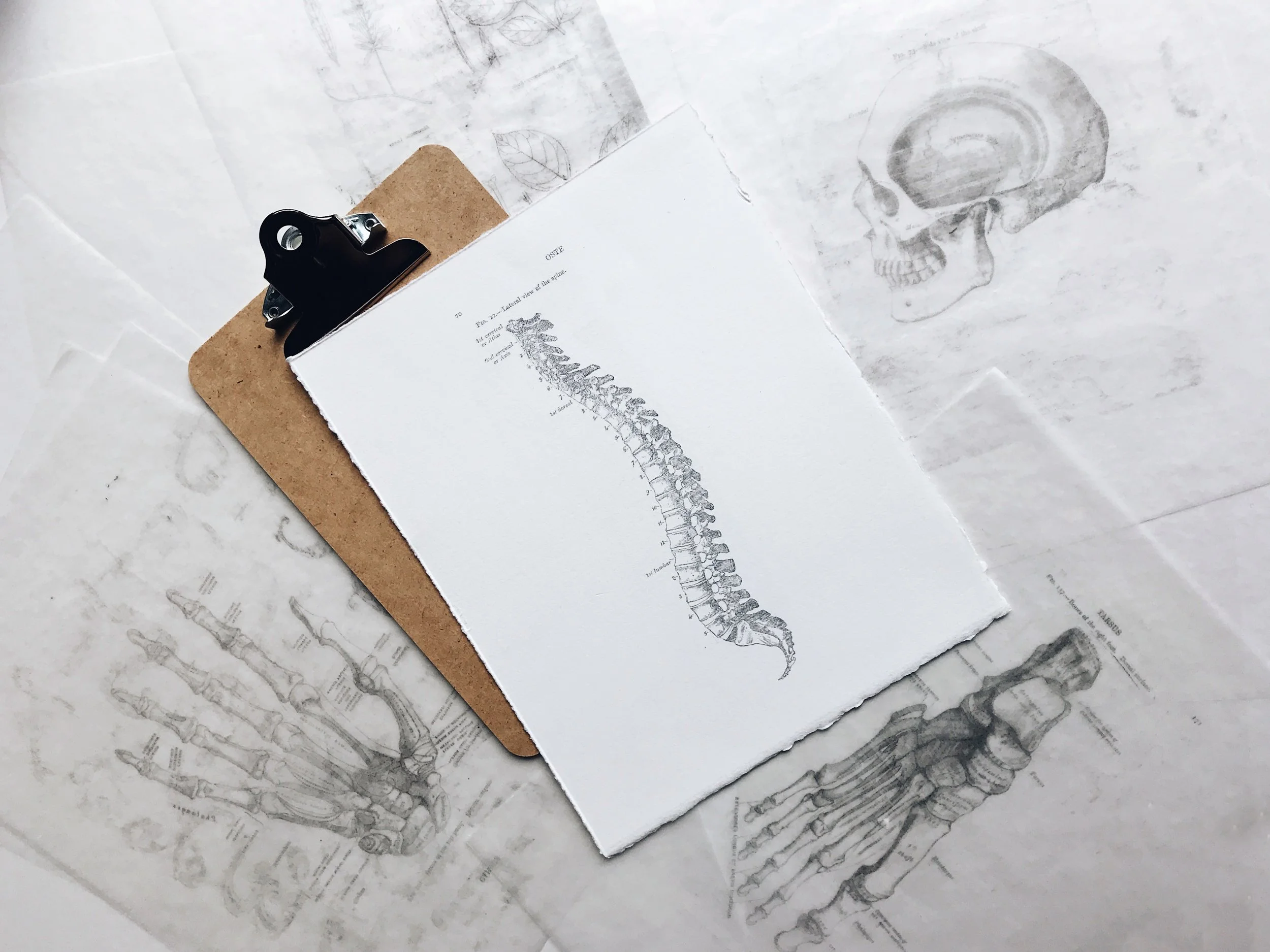
Photo by Joyce McCown on Unsplash
When Back, Neck or Shoulder Pain Needs Medical Advice
New, severe or unexplained pain should not be ignored. Seek urgent medical help after a significant injury, if you cannot move an arm, or if you develop persistent numbness, weakness, swelling, fever, chest tightness or breathing difficulty.
If pain is getting worse or is not improving, speak to a GP, pharmacist or physiotherapist. The NHS guidance for shoulder pain explains self-care and when to get help. An NHS physiotherapy service also provides useful guidance for neck pain.
1. Change Position Regularly
Staying in one position for too long can leave me feeling stiff and uncomfortable. Rather than aiming for perfect posture, I find it more realistic to change position when I can.
This might mean adjusting cushions, supporting my arms, gently turning my head or moving from a chair to the bed. On low-energy days, even a small change can make a difference.
2. Try Gentle, Comfortable Movement
Complete rest can sometimes make ordinary muscular stiffness feel worse, but movement should suit your body and symptoms. Gentle shoulder rolls, a short walk around the room or slowly changing position may be enough.
I do not push through a clear increase in pain or symptoms. With ME/CFS, activity also has to fit within my energy limits. My post about gentle ways to be more active at your own pace shares more flexible ideas.
3. Use Heat or Cold Safely
Some people find warmth soothing, while others prefer a cold pack. A warm shower, covered hot-water bottle or heat pad may feel comforting on tense muscles. A cold pack can also be useful for some aches.
Always wrap heat or cold packs in a towel rather than placing them directly on the skin, follow the product instructions and stop if the area becomes painful or numb. If you have reduced sensation, circulation problems or another health condition, ask a healthcare professional what is safe for you.
4. Make Your Resting Space More Supportive
A few practical changes can reduce the strain of sitting or resting. I use cushions to support the parts of my body that feel uncomfortable, and I keep essentials nearby so I do not have to reach or twist repeatedly.
Screen height can matter too. Looking down at a phone or laptop for a long time may increase neck discomfort, so raising the device or taking short breaks can help.
5. Pace Tasks Before Pain Builds
It is easy to continue with a task until the discomfort becomes difficult to manage. I try to stop earlier, divide activities into smaller steps and rest between them.
Pacing is particularly important for me because pain, fatigue and post-exertional malaise can overlap. My guide to recognising early signs of post-exertional malaise explains the changes I watch for.
6. Release Tension Gently
Pain can make me tense my shoulders or clench my jaw without noticing. Slow breathing, relaxing my hands and letting my shoulders settle may help me feel less guarded.
A qualified massage therapist or physiotherapist may be appropriate for some people, but treatments should be discussed with a healthcare professional when pain is severe, unexplained or linked to another condition.
7. Support Rest and Sleep
Pain can make it difficult to settle at night, and poor sleep can make the next day feel harder. Comfortable pillows, a calmer evening and having medication or water arranged safely nearby can reduce some of the effort at bedtime.
My article on practical ways to sleep and rest better includes more gentle ideas that can be adjusted around chronic illness.
Finding What Helps Your Body
Managing aches often involves small adjustments rather than one perfect solution. A change of position, a supportive cushion, gentle movement or a proper rest may help at different times.
I try to listen to my body and avoid turning self-care into another demanding list. My post about caring for your body and mind with chronic illness shares more about that flexible approach.
If pain is persistent, worsening or worrying you, seek medical advice so the cause and suitable treatment can be assessed properly.