
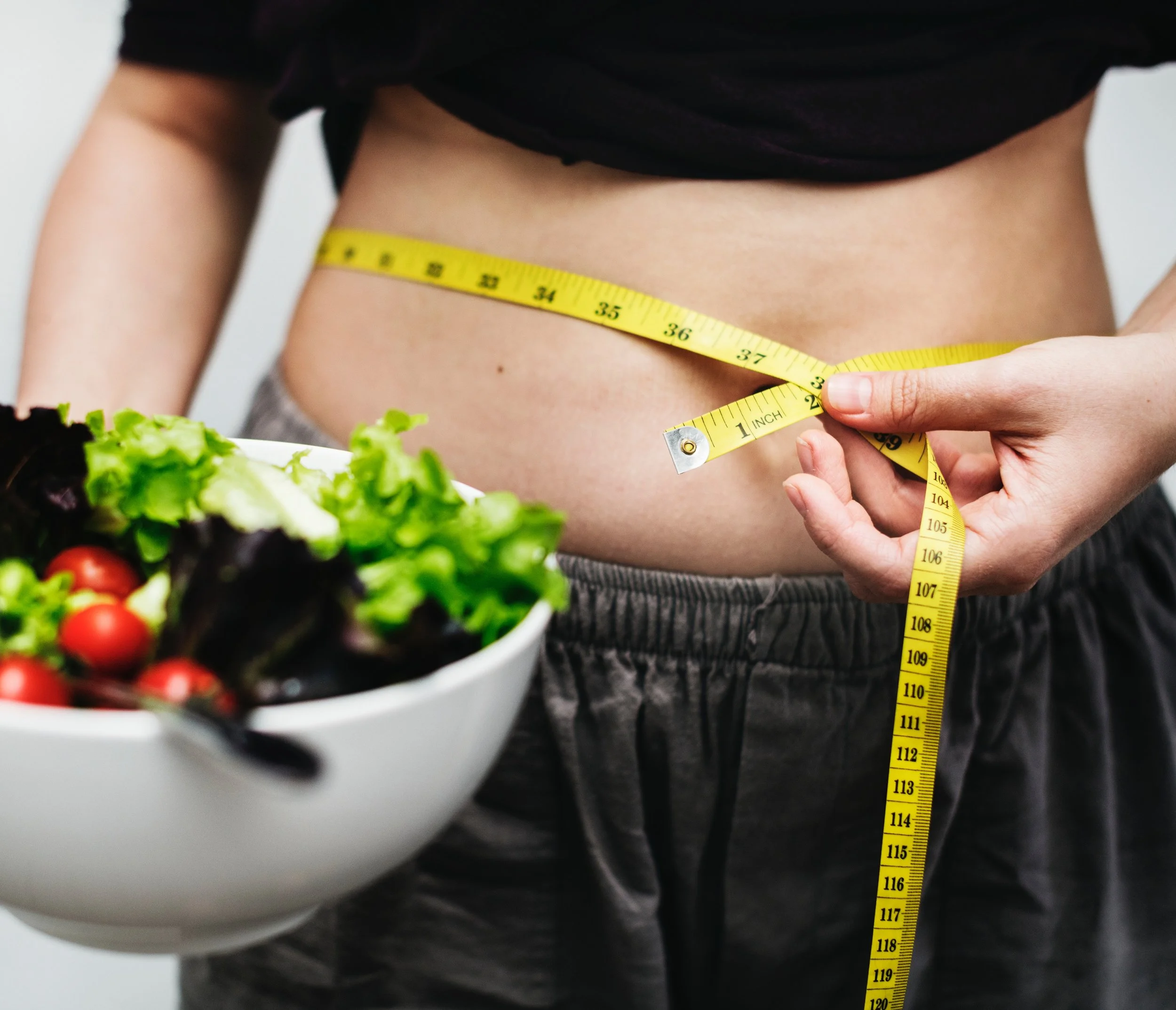
Why My Stomach Might Feel Bloated and What I Would Consider
In revisiting my post about bloating, I focus on comfort rather than a flat stomach. I explore possible causes, manageable changes and when I would seek medical advice, drawing on NHS guidance instead of promises about detox drinks or quick fixes.
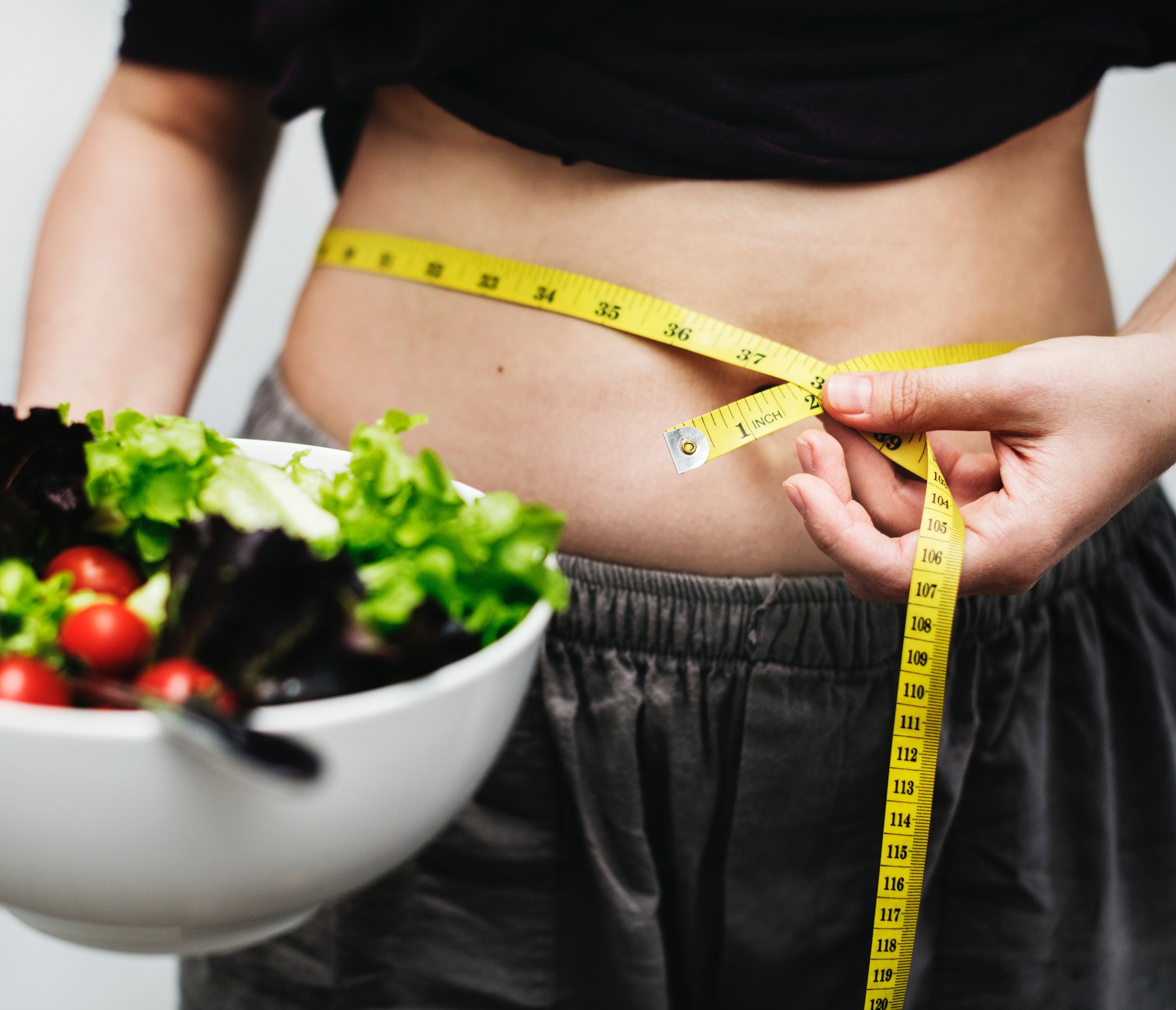
Why you have a bloated stomach (and how to unbloat)
When I think about bloating, I want to focus on comfort rather than the idea of achieving a flat stomach.
A waistband feeling tighter can be frustrating, but the discomfort matters more to me than how my stomach looks. I also want to be careful about advice that promises to make bloating disappear with one drink, supplement or change of diet.
In revisiting this post, I have taken a more measured approach. I want to understand the possible causes, consider sensible steps and recognise when it is time to ask for help.
Understanding Possible Causes of Bloating
I would not assume that every episode has the same explanation. The NHS identifies excess gas as the most common cause. Swallowing air, certain foods and fizzy drinks can contribute. Constipation, food intolerance, coeliac disease and IBS are other possibilities, while some people notice bloating around their period.
That range of causes is why I would avoid diagnosing myself from a single symptom. I might notice a connection with a meal or a change in my routine, but noticing a pattern is different from knowing what caused it.
Looking at Food Intolerance Without Guessing
I would keep a food and symptoms diary if bloating kept returning. Recording what I ate, when the discomfort began and any changes in bowel habits could give me something useful to discuss with my GP.
I would also be careful with the word allergy. Food intolerance and food allergy are different. Intolerance can cause digestive symptoms such as bloating, whereas an allergy involves an immune response and can cause symptoms including swelling or wheezing.
I would not cut out whole food groups based only on a suspicion or a home intolerance test. NHS guidance recommends getting advice from a GP or dietitian first, because unnecessary restrictions can mean missing important nutrients.
If coeliac disease were being investigated, I would speak to my GP before removing gluten. Eating gluten during testing is important for accurate results.
Starting With Manageable Changes
For occasional bloating, I would begin with simple measures. NHS suggestions include drinking water, eating smaller meals, avoiding swallowing air and reducing fizzy drinks. If constipation is involved, soluble fibre such as oats may help. A pharmacist can advise about suitable treatments.
I would rather consider one manageable change at a time than overhaul everything at once. That would also make it easier to notice whether a change seemed useful.
I do not want food to become a source of constant worry. My aim would be to understand what is happening while keeping my diet varied and my routine realistic.
Why I Am Moving Away From Detox Advice
My original post suggested apple cider vinegar, detox drinks and supplements as ways to reduce bloating. I would not make those promises now.
I want any recommendation I share to have a clear basis, rather than rely on words such as natural or cleansing. Calling something natural would not be enough to persuade me that it was suitable.
Before taking a supplement, I would ask a pharmacist or clinician about its suitability, particularly alongside medication. I would also avoid assuming that more probiotics must mean better digestive health.
I would rather get advice about the problem I am experiencing than buy several products and hope one of them provides an answer.
Making Room for My Energy Limits
Living with chronic illness affects how I approach advice about movement. I cannot assume that going for a run or adding exercise is a manageable option for me.
I would consider my existing symptoms, energy limits and clinical advice before changing my activity. I do not want trying to ease one discomfort to become another demand that my body cannot comfortably meet.
For me, a useful approach has to fit the person and their circumstances. I would not measure my effort by how much exercise I could do.
Knowing When to Ask for Medical Advice
I would contact my GP about frequent or persistent bloating, particularly with unintentional weight loss or blood in my poo.
Bloating with vomiting, fever, abdominal pain, a lump or an inability to pass urine, stool or wind needs urgent GP or NHS 111 advice. Sudden severe abdominal pain, vomiting blood or severe breathing difficulty needs emergency help through 999 or A&E.
I would not dismiss an ongoing change simply because bloating is common. I would want to explain what had changed and ask what needed checking.
Focusing on Comfort and Understanding
In updating this post, I have moved away from the promise of saying goodbye to bloating or achieving a flat stomach.
I want to offer something more useful: a reminder to notice patterns, approach changes thoughtfully and ask for help when symptoms persist.
I do not need to blame myself for feeling uncomfortable or find the perfect remedy immediately. I would rather understand what my body needs and make decisions with reliable information.
This post shares my approach to the subject alongside NHS guidance. It does not diagnose the cause of anyone’s symptoms or replace individual medical advice.

If you are hoping for a healthier life in 2023, it might be simpler to achieve than you think. Generally it is a case of just making some very easy changes, and these are the kinds of things that you are always able to do in some way or another. In this post, we are going to try and make this as straightforward and simple as possible. Specifically, we’ll take you through ten of the simplest ways in which you can hope to have a healthier 2023.