
Bringing a dog into your home is an exciting experience, but becoming a first time dog owner can also feel a little overwhelming.
Whether you're welcoming a puppy into the family or adopting an older dog, there's plenty to think about. From choosing the right food and finding a vet to understanding training, behaviour and everyday care, responsible dog ownership involves much more than simply providing a comfortable place to sleep.
Even people who grew up around dogs can find that being fully responsible for one is a completely different experience.
The good news is that you don't need to know everything before bringing your new companion home. What matters is being willing to learn, asking questions and finding reliable information when you need it.
Here are six practical ways to feel more informed and confident as a new dog owner.
1. Join a Dog Ownership Community
One of the easiest ways to learn about dog ownership is to connect with people who already have experience caring for dogs.
Online communities, dedicated forums and groups on platforms such as Reddit can be useful places to ask questions, share experiences and discover practical tips.
You might find recommendations for local dog trainers, ideas for making your home safer or advice about settling a nervous rescue dog into a new environment.
These communities can also provide reassurance when you're wondering whether other owners have experienced similar challenges.
However, it's important to remember that personal experiences aren't always reliable sources of veterinary advice.
Something that works for one dog might not be suitable for another, particularly when it comes to health, nutrition or behaviour.
For example, chocolate is toxic to dogs, regardless of what someone online might claim about their own pet eating it without becoming ill.
Use online communities for general support and shared experiences, but always check medical concerns with a qualified vet.
2. Read Reliable Dog Care Resources
Learning about dog care doesn't have to stop once your new pet arrives.
In fact, the more time you spend with your dog, the more questions you're likely to have.
Following a reputable dog care website, reading a specialist dog magazine or exploring trusted animal welfare resources can help you develop your knowledge over time.
Useful subjects to research include nutrition, grooming, exercise, dental care, common health concerns and understanding canine behaviour.
It's also worth learning how your dog's needs might change as they grow older.
A puppy has different requirements from an adult dog, while senior dogs may need adjustments to their exercise, diet and veterinary care.
When reading online advice, consider who has written it and whether the information comes from someone with relevant professional experience.
Resources from veterinary organisations and established animal welfare charities can be particularly useful when researching health and welfare.
Building your knowledge gradually can help you feel more prepared for the everyday responsibilities of dog ownership.
3. Find a Local Dog Trainer Who Uses Positive Methods
Training is an important part of helping your dog feel confident and secure in their new home.
A good trainer can help you understand how dogs learn, recognise their body language and communicate more effectively with your pet.
Training isn't simply about teaching tricks.
It can also help with recall, walking calmly on a lead, settling at home and responding appropriately to everyday situations.
When choosing a trainer, look for someone who uses positive reinforcement and reward based methods.
These approaches encourage desirable behaviour through rewards such as treats, toys and praise, helping dogs learn without fear or intimidation.
The RSPCA's dog training advice is a useful starting point for understanding positive training methods.
Training classes can also provide opportunities for appropriate socialisation, although puppies need experiences suited to their age, vaccination status and confidence.
A good trainer should recognise that every dog is different and adapt their approach accordingly.
The aim is to build trust, improve communication and help your dog feel comfortable in different situations.
4. Check Your Dog's Paperwork and Medical Records
Before bringing a new dog home, make sure you understand its background and have received the relevant paperwork.
If you're purchasing a puppy from a breeder, ask about its vaccination history, microchip registration, parasite treatments and any relevant health screening.
Responsible breeders should be willing to answer questions and provide appropriate records.
It's also important to see the puppy with its mother in the environment where it was raised, rather than agreeing to collect it from an unfamiliar location.
If you're adopting from a rescue organisation, ask for any available veterinary records and information about the dog's previous care, behaviour and medical needs.
Not every rescue dog will have a complete history, but reputable organisations should explain what they know.
In the UK, dogs must be microchipped and registered on a compliant database, and owners need to keep their contact details up to date.
If you're buying a puppy, make sure you understand the relevant legal requirements and avoid sellers who appear unwilling to provide information.
Being properly informed before bringing a dog home can help you avoid problems and make the transition easier for everyone.
5. Build a Relationship With a Trusted Vet
Finding a veterinary practice should be one of your priorities as a new dog owner.
Even a healthy dog needs routine care, including vaccinations, parasite prevention and general health checks.
A vet can also help you understand your dog's individual needs, particularly when it comes to diet, exercise, dental health and any existing medical conditions.
It's worth registering with a practice before you need an urgent appointment.
You may also want to find out where the nearest emergency veterinary service is located and how to contact it outside normal opening hours.
Sometimes dogs behave in unusual ways, and it isn't always obvious whether something is harmless or a sign of illness.
While it's tempting to search online for explanations, internet advice should never replace veterinary assessment when you're concerned about your dog's health.
Even apparently amusing behaviours, such as the dog appearing to fake a cough for attention, shouldn't be used as a reason to dismiss persistent coughing or other symptoms.
If something seems unusual, painful or concerning, contact your vet for advice.
Developing a good relationship with your veterinary practice can provide reassurance throughout your dog's life.
6. Never Be Afraid to Ask Questions
One of the most important things to remember as a first time dog owner is that nobody knows everything.
There will be moments when you're unsure whether your dog is behaving normally, how to approach a particular training challenge or what changes you should make to your daily routine.
Asking questions is part of becoming a responsible owner.
You might speak to your vet, consult a qualified trainer or ask experienced dog owners about everyday routines.
Sometimes the questions will be relatively simple.
Should your dog sleep upstairs? How can you help them settle when visitors arrive? What should you do if they become nervous around other dogs?
Other situations may require specialist advice, particularly if your dog is showing signs of anxiety, aggression or ongoing health problems.
The important thing is knowing when to seek professional guidance rather than relying entirely on guesswork.
You can also make everyday life easier by preparing your home and creating a comfortable, safe environment for your new companion.
Learning about your dog's individual personality, preferences and needs takes time.
The more you understand them, the easier it becomes to build a relationship based on trust and consistency.
Final Thoughts on Becoming a First Time Dog Owner
Becoming a dog owner is a rewarding experience, but it's also a long term responsibility.
Dogs depend on their owners for their physical health, emotional wellbeing, safety and everyday care.
It's perfectly normal to feel uncertain when you're starting out.
Rather than expecting yourself to have every answer immediately, concentrate on learning the basics, finding trustworthy sources of information and building a reliable support network.
A good vet, an experienced trainer and reputable animal welfare resources can all help you make informed decisions.
Most importantly, take time to get to know your dog.
Every dog has its own personality, and understanding what makes yours feel happy, comfortable and secure is one of the most valuable things you can do.
With patience, preparation and a willingness to keep learning, you can give your new companion a positive start and build a rewarding relationship for years to come.
Frequently Asked Questions for First Time Dog Owners:
-
New dog owners should understand the basics of feeding, exercise, training, grooming, veterinary care and everyday safety. It's also important to consider the time and financial commitment involved in caring for a dog throughout its life.
-
Prepare a safe sleeping area, purchase suitable food and essential supplies, register with a veterinary practice and check any relevant paperwork. Make sure everyone in the household understands how to help the dog settle in.
-
Look for a trainer who uses positive reinforcement and reward based methods. They should be willing to explain their approach, answer questions and adapt training to your dog's individual needs.
-
Dogs need routine veterinary care throughout their lives, but the frequency of appointments depends on their age, health and individual circumstances. Your vet can recommend an appropriate schedule for vaccinations, checkups and preventive treatments.
-
Veterinary practices, qualified trainers and established animal welfare organisations are good places to start. Online communities can also provide useful experiences, but medical and behavioural concerns should be discussed with an appropriate professional.


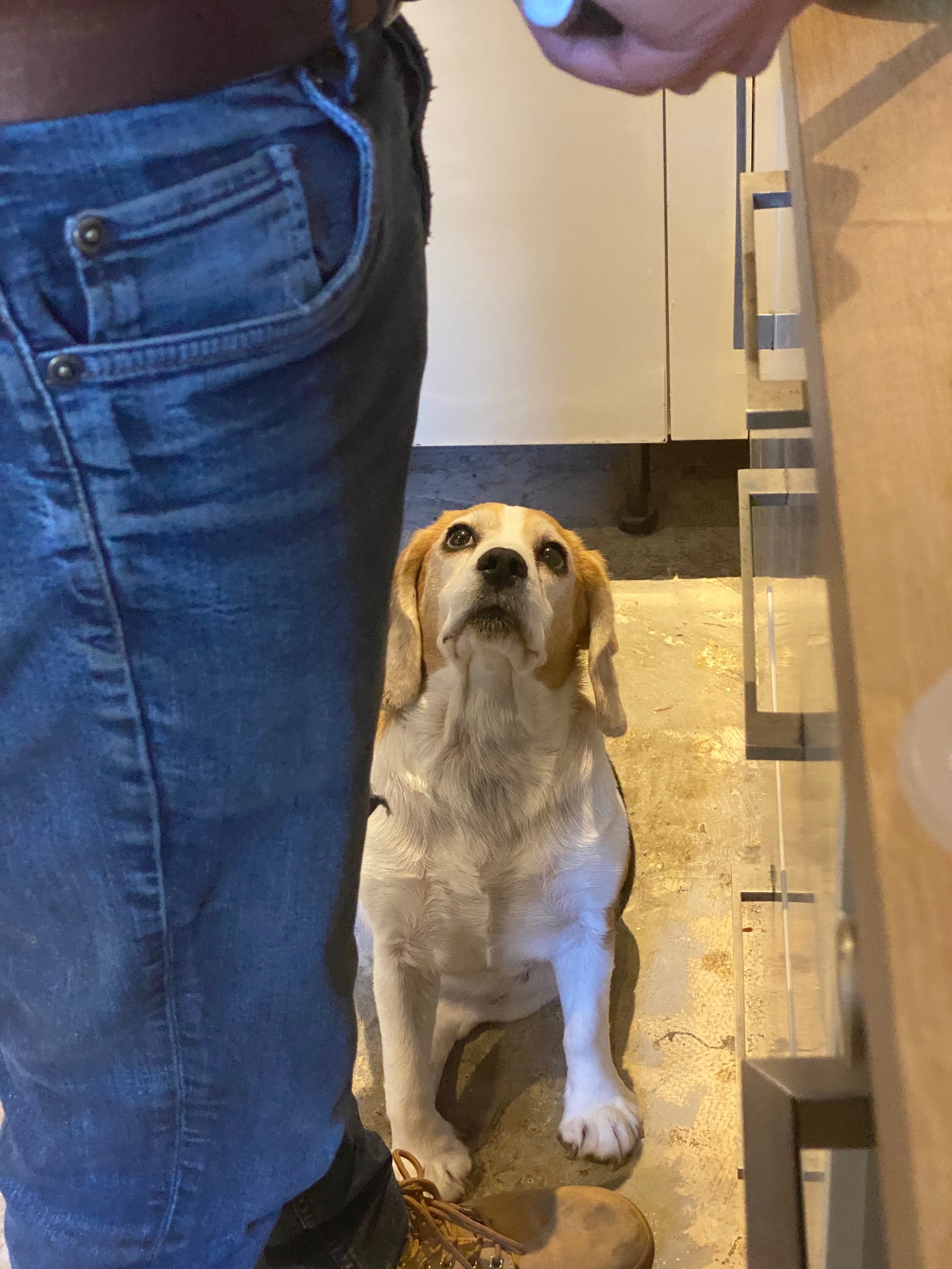
Kiwi may be nearly 11, but age certainly hasn’t stopped her Beagle mischief! From breaking into the food recycling bin to helping herself to flour, she’s as stubborn, food-obsessed and mischievous as ever. 🐾 xx