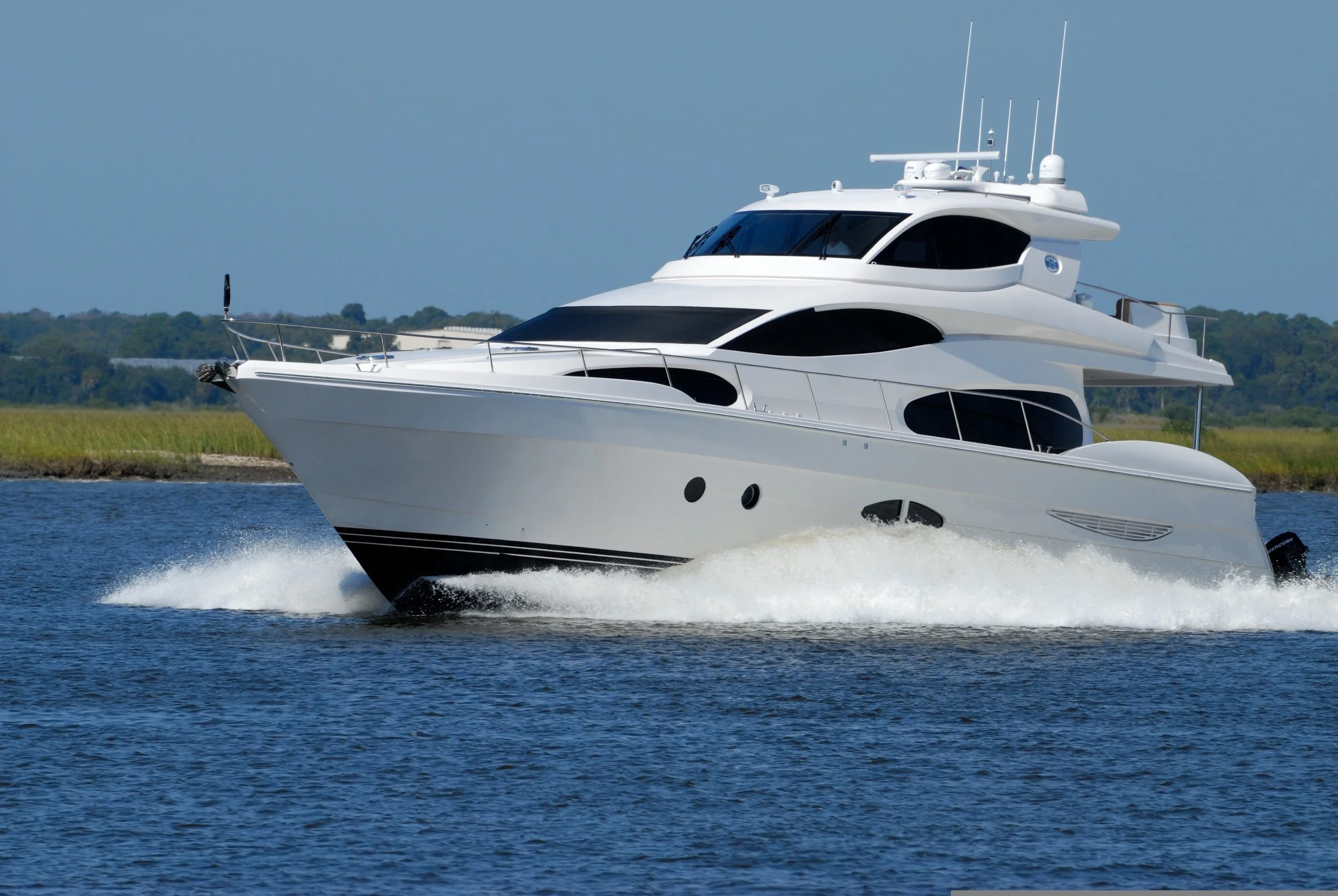
A bigger yacht does less for a day on the water than an earlier start. That sounds like an odd claim in a part of Italy where the boats moored at Marina Grande are often the most photographed thing in the harbour, but anyone who has done the same route twice at different hours tends to agree. On the Gulf of Naples and the Amalfi Coast, luxury boat tours in Italy are usually booked by boat, by route and by date. The departure time is often treated as a detail to settle at the end. It deserves to be one of the first decisions, because it quietly controls the light, the crowds, the state of the sea and the heat.
The famous places have a rush hour
Capri, Positano and the grottos along the coast follow a daily rhythm set largely by scheduled ferries and organised group excursions. Boats arriving from Naples, Sorrento and the Amalfi towns tend to reach the island from mid morning onwards, and the most famous stops, the Faraglioni, the entrance to the Blue Grotto, the bays below Anacapri, become busiest in the central hours of the day. A private boat can go anywhere a ferry can, and many places it cannot, but it still shares the water.
Leaving early turns this rhythm to advantage. A boat that reaches the far side of Capri while the first ferries are still unloading finds the arches and the coves with only a few other hulls nearby. By the time the crowds arrive, the group can be heading for a quieter bay for lunch. Start late, and the day naturally follows the same sequence as everyone else, one queue behind.
The sea changes over the course of the day
On many summer days along this coast the sea is at its calmest in the morning. As the land heats up, a breeze from the sea often builds through the late morning and afternoon, raising a short chop that makes open crossings less comfortable and swimming off exposed points less inviting. Traffic adds to it: by midday the wakes of ferries, water taxis and other boats cross one another in the channels between the islands and the mainland.
This matters most for routes with open water in them, such as a crossing from Sorrento to Capri, or a day that combines the island with the Amalfi Coast. The same passage that feels smooth at nine can be bumpy at three. Skippers know the pattern well and plan the longer crossings for the calmer hours, but they can only do so if the departure time leaves room.
Light and heat set the mood
For photographs, and simply for looking, the hours after sunrise and before sunset are the most generous. A low sun brings out the texture of the limestone cliffs and the colour of the houses stacked above Positano. At midday the light comes from almost straight above, the sea turns a flatter blue and the glare off the water is strong enough that most guests keep sunglasses on and retreat to the shade.
Heat follows the same curve. The central hours are the time to be at anchor in a sheltered cove, swimming and eating under cover, rather than cruising in full sun. A day planned around this, active in the morning, slow at midday and moving again in the softer afternoon light, is more comfortable for everyone on board, children and older guests in particular.
Choosing between morning, afternoon and sunset
For a full day, the simple advice is to leave as early as the group can manage without rushing breakfast. For half days the choice is more interesting. A morning half day gives the calmer sea and quieter famous spots; it suits families, first time visitors to Capri and anyone prone to seasickness. An afternoon half day trades some of that calm for warmer swimming hours and a gentler return in lengthening light.
A sunset trip is a different product altogether. It is short, it focuses on one stretch of coast rather than a full circuit, and it often includes an aperitif on board. It suits couples, celebrations and travellers who have already seen the main sights by day and want to see the same cliffs turn gold. Because the light changes quickly near sunset, this is the slot where a late start costs the most.
Whatever the slot, the departure time should be agreed with the skipper rather than picked from a list. Mention the priorities of the group, quiet water, swimming, photographs or simply ease, and let the captain suggest when to leave. It is the one decision that costs nothing extra.
Back at Marina Grande, a few boats leave before nine. By the time the harbour fills, they are already on the far side of the island.