Researching the Cost of Changing the Family Car
Researching the Cost of Changing the Family Car
When your car helps you manage everyday family life with limited mobility, changing it is a big decision.
When I first wrote about this, spinal stenosis was making the walk to and from Summer’s school difficult. Having a car meant I could still manage that essential part of our day.
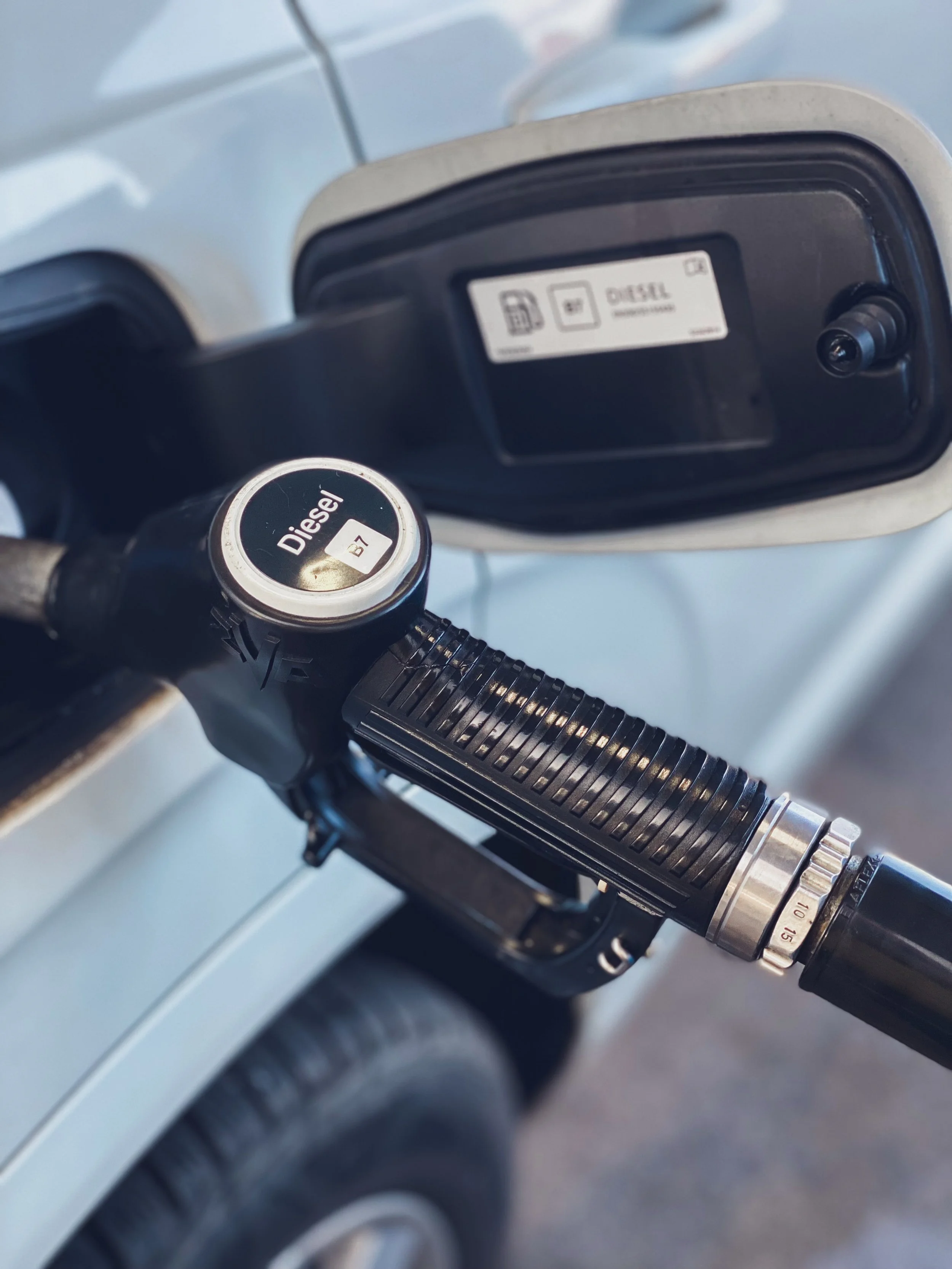
But our car had a large engine, and rising fuel costs were making it increasingly expensive to run. I started wondering whether a different car would suit both our family and our budget better.
The more I thought about it, the clearer it became that I needed to look beyond the purchase price.
Why our car mattered so much
For some journeys, walking might seem like the obvious way to save money. When your mobility is limited, it is not always a realistic option.
That was the situation I found myself in. The school run still needed doing, even when walking was difficult.
It made the decision about changing cars more complicated. I wanted to reduce our costs, but I also needed something that would work for everyday family life.
A car could look affordable on paper and still be the wrong choice for my needs.
What I learnt from buying our previous car
We bought our car online and collected it from a showroom. The process went smoothly, and it was a positive experience.
Looking back, though, I had not researched the ongoing costs as carefully as I could have.
Once fuel prices rose, we really started to notice how much we were spending. The car that had seemed manageable when we bought it was taking a bigger bite out of our household budget.
That experience made me want to do more research before making another decision.
Looking at more than the fuel bill
My first thought was to consider a smaller engine, a hybrid or an electric car. I wanted to explore whether there was something that would cost less to run.
But lower fuel costs would only be one part of the picture. Replacing a car also means paying for the change itself.
Before deciding, these are the costs worth comparing:
The purchase price and what you could receive for your existing car.
Any outstanding finance on the car you already own.
A deposit, repayments, interest and fees if borrowing.
Insurance quotes for the specific cars you are considering.
Vehicle tax.
Fuel or charging costs based on your usual journeys.
Servicing, MOT tests where required, tyres and repairs.
There is also depreciation, which is the reduction in a car’s value over time. It is not a monthly bill, but it matters when thinking about the overall cost of owning and eventually selling a car.
MoneyHelper’s guide to the cost of running a car is a useful UK starting point for checking what belongs in the budget.
Using online calculators as a starting point
When I was researching our options, I looked at Car Payment Calculator to help explore the figures.
Online tools can be useful for organising a comparison, but their results depend on the information and assumptions used.
This particular website uses US dollar and sales tax fields. UK readers need to bear that in mind rather than treating its figures as a UK finance quotation or a complete estimate of ownership costs.
For a meaningful comparison, I would use actual prices and insurance quotes wherever possible, alongside the terms of any finance being considered.
Tools such as Car Payment Calculator can form part of the research, but the final decision needs to be based on costs that apply to your own circumstances.
Making sure a replacement suits my mobility
The budget matters, but so does being able to use the car comfortably.
Because spinal stenosis affected my mobility, I would also want to consider how easy a replacement was to get into and out of, whether the seat felt comfortable and whether it had the space our family needed.
Those are things I would want to check in person before committing, even if most of the initial research happened online.
If considering an electric car, I would also need to understand how charging would fit around our home and usual journeys. The practical arrangements belong in the decision alongside the running costs.
Would changing cars actually save us money?
That was the question behind my research.
Spending less on fuel would be welcome, but it would not automatically make replacing our car cheaper overall. I needed to weigh any potential savings against the cost of buying and running something different.
Keeping the existing car also deserved a place in that comparison.
When I first shared this post, I was still researching rather than reporting on a completed purchase. What I had learnt was that taking time to understand the full costs mattered, especially when the car played such an important part in our family life.
For me, the right choice needed to balance affordability, practicality and mobility.
Have you changed your family car because your needs or running costs changed? What did you wish you had checked before buying?